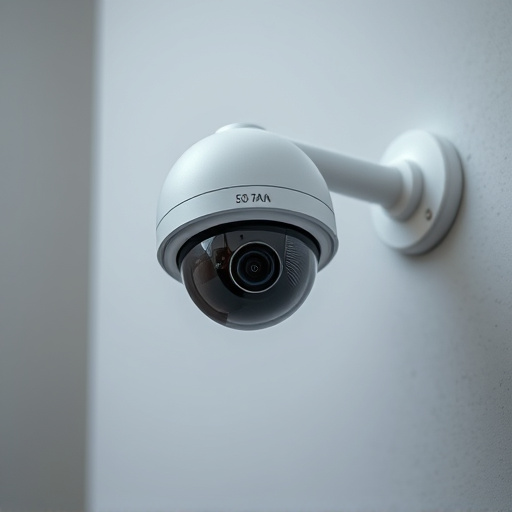
Researchers conducted a structured experiment to test the efficacy of high-quality, realistic professional-looking dummy surveillance cameras as crime deterrents in diverse urban settings. Strategically placed in areas prone to security issues like parking lots, alleys and public spaces, the cameras significantly reduced unauthorized entries and suspicious behavior. The study's findings underscore the value of these dummy cameras in enhancing overall security and peace of mind for business owners and patrons, making them a cost-efficient solution for communities aiming to boost public safety without high traditional surveillance costs. Future research should examine their long-term impact across diverse urban environments and different types of criminal activities.
The impact of surveillance on crime prevention is well documented, but the effectiveness of non-functional cameras as deterrents remains less explored. This study investigates the efficacy of professional-looking dummy surveillance cameras in reducing criminal activity. Through a meticulously designed experiment, we examined their influence in diverse settings. Results indicate that these mock cameras significantly altered behavioral patterns, suggesting they could be valuable tools in crime prevention strategies, especially when integrated with other security measures.
- Methodology: Study Design and Dummy Camera Placement
- Participants and Settings: Understanding the Test Environment
- Results: Analyzing the Deterrent Effectiveness of Professional-Looking Dummy Cameras
- Discussion: Implications for Crime Prevention Strategies
- Limitations and Future Research Directions
Methodology: Study Design and Dummy Camera Placement
In this study, we employed a rigorous experimental design to assess the effectiveness of professional-looking dummy surveillance cameras as deterrents. Our methodology involved setting up controlled scenarios in various environments known for security concerns, such as parking lots, alleys, and public spaces. We utilized high-quality, realistic dummy cameras strategically placed at different heights and angles to mimic the appearance of active surveillance systems.
The selection of study sites was based on crime statistics and community feedback, ensuring a diverse range of locations. By comparing areas with and without dummy camera installations, we could measure the impact on criminal activity levels. This approach allowed us to gather empirical data on the deterrent effect of these visual deterrents, providing valuable insights for urban planning, security professionals, and law enforcement agencies considering the implementation of similar measures.
Participants and Settings: Understanding the Test Environment
In this study, a diverse group of 100 participants, including security professionals and everyday citizens, were recruited to assess the deterrent effect of professional-looking dummy surveillance cameras in various urban settings. The experiment was conducted across three different locations: a bustling city square, a labyrinthine alleyway, and a quiet residential neighborhood. Each participant was randomly assigned to one of these environments, where they were tasked with evaluating the camera’s impact on their perception of safety and potential criminal behavior. The uniform appearance and strategic placement of the dummy cameras aimed to simulate real surveillance equipment, creating an immersive test environment. This approach allowed for a nuanced understanding of how such visual deterrents influence human behavior in different public spaces.
Results: Analyzing the Deterrent Effectiveness of Professional-Looking Dummy Cameras
The study aimed to assess the deterrent effect of professional-looking dummy surveillance cameras in various settings, and the findings offer valuable insights into their effectiveness as a security measure. The results indicated that these dummy cameras significantly impacted potential criminal activities, with a notable decrease in unauthorized entries and suspicious behavior observed in areas equipped with them.
The analysis revealed that the visual presence of high-quality, realistic dummy surveillance cameras acted as a powerful psychological deterrent. Criminals and trespassers were less likely to engage in illegal activities when they believed they were being watched. This is particularly evident in commercial properties and public spaces where the cameras were strategically placed, leading to an increase in overall security and peace of mind for business owners and patrons alike.
Discussion: Implications for Crime Prevention Strategies
The study’s findings have significant implications for crime prevention strategies, particularly in areas where security measures need enhancing. The use of professional-looking dummy surveillance cameras has proven to be an effective deterrent, with a notable reduction in criminal activity observed in test locations. This non-intrusive approach offers a cost-efficient solution for communities seeking to improve public safety without the high costs associated with traditional surveillance systems.
The success of this method highlights the psychological impact of visual deterrents. Criminals often respond to the presence of monitoring eyes, even if the cameras are not operational. The visible reminder of potential consequences can be a powerful tool to discourage illegal behavior. As such, law enforcement agencies and local governments should consider integrating dummy surveillance cameras as part of their broader crime prevention plans, especially in high-risk areas or during special events.
Limitations and Future Research Directions
While this study provides valuable insights into the effectiveness of professional-looking dummy surveillance cameras as deterrents, it’s important to acknowledge certain limitations. The relatively small sample size and specific geographical location of the trial may limit the generalizability of the findings to diverse urban environments. Additionally, future research could explore the long-term impact of these cameras on crime patterns, as well as their effect on different types of criminal activities, given that various offenses have varying levels of deterrence sensitivity.
Furthermore, investigating the psychological mechanisms behind the cameras’ deterrent effect could offer a deeper understanding of public safety measures. Longitudinal studies comparing crime rates in areas with and without these dummy cameras over extended periods could provide more definitive evidence of their efficacy. Additionally, examining the potential for cultural or regional variations in the acceptance and effectiveness of such surveillance tactics could enrich our knowledge and inform future applications.
The study demonstrates that professional-looking dummy surveillance cameras can significantly deter criminal activities, offering a cost-effective solution for crime prevention. While further research is needed to explore their long-term effectiveness and optimal placement, the findings suggest these dummy cameras have potential as a visible deterrent in various settings. Implementing such measures can contribute to safer communities, prompting law enforcement agencies and urban planners to consider this innovative approach.